The Ultimate Summer Pre-Trip Guide for Off-Roaders & Overlanders
Summer’s long days and dry trails call for adventure—but the heat, dust, and remoteness demand serious preparation. This comprehensive guide walks you through everything you need to check, pack, and plan before you hit the trail, so your rig, crew, and mindset are ready for a safe and epic summer adventure.
1. Vehicle Inspection & Maintenance: The Foundation of a Safe Trip
Before you roll, give your rig a thorough inspection tailored for summer conditions. Heat and dust accelerate wear, and prevention saves headaches.
What to Check:
-
Fluids: Engine oil (synthetic, heat-rated), transmission, brake, power steering, differential fluids, and radiator coolant (summer-grade antifreeze).
-
Cooling System: Radiator, hoses, clamps, belts, fans — check for leaks, cracks, and wear.
-
Air Intake & Filtration: Clean/replace air filters, especially in dusty environments; check snorkel seals. Don't forget to check the cabin filter too!
-
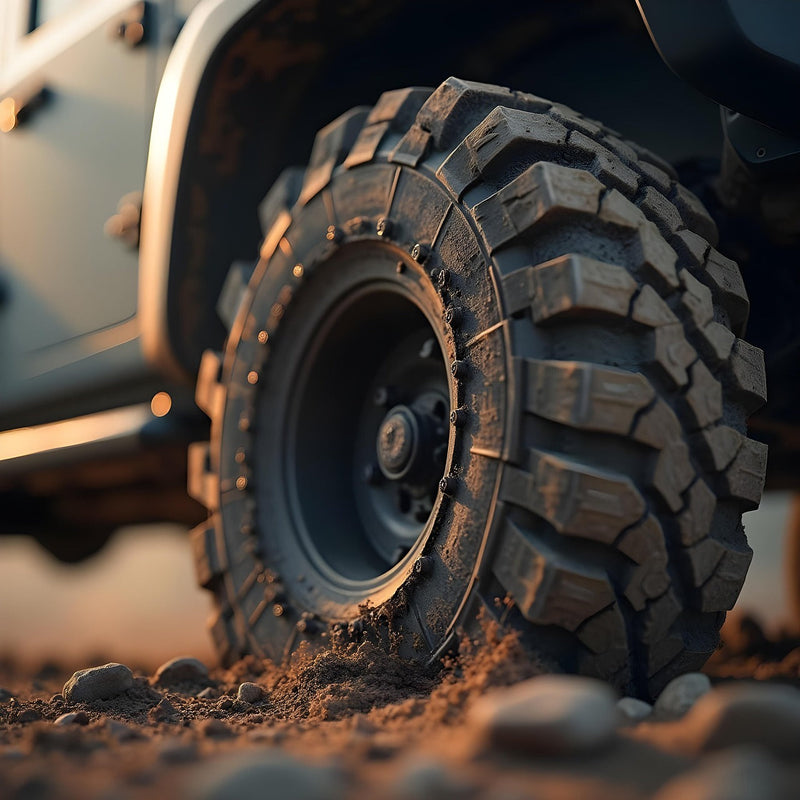
Tires & Suspension: Tread depth, sidewall condition, tire pressures (account for heat expansion), shocks, springs, steering components.
-
Electrical System: Battery health, terminal cleanliness, wiring integrity.
-
Brakes: Pads, rotors, lines, and fluid levels—heat impacts braking performance.
-
Recovery Points & Accessories: Shackles, tow hooks, winch condition, ropes or cables.
-
Undercarriage & Frame: Leaks, rust, cracks, loose bolts on skid plates and armor.
Vehicle Inspection Checklist
-
Engine oil & filter condition
-
Transmission & differential fluids level
-
Radiator coolant level & condition
-
Radiator hoses & clamps inspected
-
Cooling fans tested
-
Air filters cleaned/replaced
-
Snorkel seals checked
-
Tire condition & pressure set
-
Suspension & steering components inspected
-
Battery tested & terminals cleaned
-
Electrical wiring & lights tested
-
Brake pads & fluid checked
-
Recovery gear tested & secured
-
Undercarriage bolts tightened
2. Essential Spares & Tools: Be Ready for the Unexpected
Pack spares and tools that match your rig and the demands of summer trails. Dust and heat speed up wear and failures.
Recommended Spares:
-
Spare air filters (including snorkel pre-filters if applicable)
-
Belts and hoses vulnerable to heat cracking
-
Engine oil and transmission fluid for top-offs
-
Tire repair kit: plugs, patches, valve stems, portable inflator
-
Electrical spares: fuses, bulbs, relays
-
Brake pads if near end of service life
-
Radiator clamps, hose sections, zip ties, duct tape
-
Winch rope or synthetic line spares
Essential Tools:
-
Full socket and wrench set suited to your rig
-
Tire pressure gauge and portable compressor
-
Jack rated for vehicle weight and terrain
-
Recovery boards and shovel
-
Multimeter for electrical diagnostics
-
Gloves and eye protection
Spares & Tools Checklist
-
Air filter
-
Belts & hoses spares
-
Oil & transmission fluid
-
Tire repair kit & inflator
-
Electrical fuses & bulbs
-
Brake pads spare
-
Radiator clamps & hose
-
Zip ties & duct tape
-
Winch rope spare
-
Complete tool kit
-
Jack & recovery boards
-
Shovel
-
Safety gear (gloves, eye protection)
Pro Tip:
Organize your spares and tools in labeled bags or boxes for quick access during trail repairs. Store critical items within easy reach without cluttering your rig.
3. Food, Water & Hydration: Combat Heat and Sustain Energy
Hydration and nutrition are crucial in hot conditions. Dehydration and electrolyte loss happen fast and can end your trip prematurely.
Water Storage & Management
-
Carry at least 1 gallon (4 liters) per person, per day; increase in desert or high-exertion scenarios
-
Use a combination of jerry cans, hydration bladders, and insulated bottles secured on your rig
-
Bring a portable water filtration system for refills from natural sources
Hydration Strategy: Water + Electrolytes
-
Drink regularly — don’t wait for thirst
-
Replace electrolytes lost through sweat (sodium, potassium, magnesium, calcium) to avoid cramps and fatigue
-
Use commercial electrolyte powders or tablets designed for outdoor use
-
Avoid excess caffeine and alcohol, which promote dehydration
-
Insulated hydration packs or bottles help keep fluids cool and more palatable
-
Monitor yourself and your crew for dehydration symptoms: dizziness, headache, muscle cramps
Food Planning
-
Pack lightweight, high-calorie snacks: nuts, jerky, energy bars
-
Prepare easy-to-cook meals; freeze-dried or dehydrated foods are ideal
-
Include salty snacks or electrolyte-enhanced drinks to maintain mineral balance
-
Cook in shaded areas or under an awning to reduce heat exposure
Hydration & Nutrition Checklist
-
Water supply (minimum daily volume plus extras)
-
Water filtration system
-
Electrolyte supplements or powders
-
Insulated hydration gear
-
High-calorie, lightweight snacks
-
Easy-to-prepare meals
-
Portable camp stove & fuel
Pro Tip:
Add a pinch of salt and a splash of citrus (lemon or lime) to your drinking water for a natural electrolyte boost and better flavor.
4. Communication & Navigation: Stay Connected When It Counts
Reliable communication and navigation gear are lifesavers in remote summer terrain.
Communication Gear
-
Garmin inReach satellite communicators remain a trusted choice for two-way satellite messaging and SOS capabilities anywhere in the world.
-
Newer iPhones (from iPhone 14 and up) include built-in satellite emergency SOS features, providing a great backup or primary communication tool in areas without cellular coverage.
-
Always bring a spare charging cable and portable power sources (like solar chargers or power banks) to keep your devices operational throughout the trip.
-
Two-way radios (GMRS, CB, FRS) for group or local comms
-
Smartphones with offline maps downloaded
Power Management
-
Carry spare batteries, solar chargers, or portable power stations to keep devices charged
Navigation Tools
-
Dedicated GPS with updated topo maps
-
Paper maps and compass as backups
Trip Plan & Check-Ins
-
Always share your route, schedule, and emergency contacts with a trusted person
-
Set up regular check-in times and contingency plans
-
Travel in groups whenever possible — if you choose to go solo, ensure someone knows your exact route and expected return time
Communication & Navigation Checklist
-
Garmin inReach or equivalent satellite communicator
-
Newer iPhone with satellite SOS feature (plus spare charging cables)
-
Two-way radios with charged batteries
-
Offline topo maps on smartphones
-
Spare batteries & chargers
-
Dedicated GPS unit
-
Paper maps & compass
-
Filed trip plan with contacts
-
Group travel or check-in plan
Pro Tip:
Test all communication devices before departure. Practice using emergency features like SOS on satellite messengers to ensure you know how they work.
5. Pre-Trip Rig Prep & Packing Best Practices
A well-organized and balanced rig helps you handle summer terrain safely and comfortably.
-
Load Distribution: Balance heavy gear like water, fuel, and spares to maintain handling and clearance
-
Fuel Management: Start full; carry extra fuel for extended or remote trips; use fuel additives for older rigs
-
Cooling System: Add radiator conditioners, flush, and pressure test if overdue
-
Tire Prep: Set correct pressures for terrain and heat; bring portable inflator
-
Recovery Gear: Inspect and test recovery boards, winch, and straps
-
Packing: Use modular storage to keep gear organized and accessible
Packing Checklist
-
Balanced load distribution
-
Full fuel tank plus reserves
-
Radiator conditioner added
-
Tire pressures adjusted
-
Recovery gear inspected
-
Gear packed for easy access
6. Additional Summer Essentials
Wildfire Awareness
-
Check wildfire reports and restrictions online before your trip (see Resources below)
-
Follow fire bans and use camp stoves or designated fire rings only
-
Carry a fire extinguisher and water near cooking areas
-
Avoid parking on dry grass or brush
-
Fully extinguish all fires before leaving or sleeping
Sun & Bug Protection
-
Wear UV-protective clothing, hats, and sunglasses
-
Use high-SPF, sweat-resistant sunscreen
-
Apply insect repellent and consider mosquito nets at camp
Physical & Mental Preparation
-
Acclimate to heat with short outdoor sessions before the trip
-
Pace your activities to avoid heat exhaustion
-
Recognize dehydration and heatstroke signs in yourself and crew
-
Rest in shaded areas and stay hydrated regularly
Environmental Responsibility
-
Practice Leave No Trace principles: pack out trash, minimize fire impact, respect wildlife and vegetation
-
Stay on established trails and campsites to protect fragile ecosystems
Final Words
Summer off-road adventures are exhilarating but unforgiving. A detailed vehicle inspection, thoughtful spares and tools, solid hydration (including electrolytes), reliable communication, and responsible travel habits are your keys to success.
Plan thoroughly, travel safely (preferably with others), respect the environment, and enjoy every mile under the summer sun.