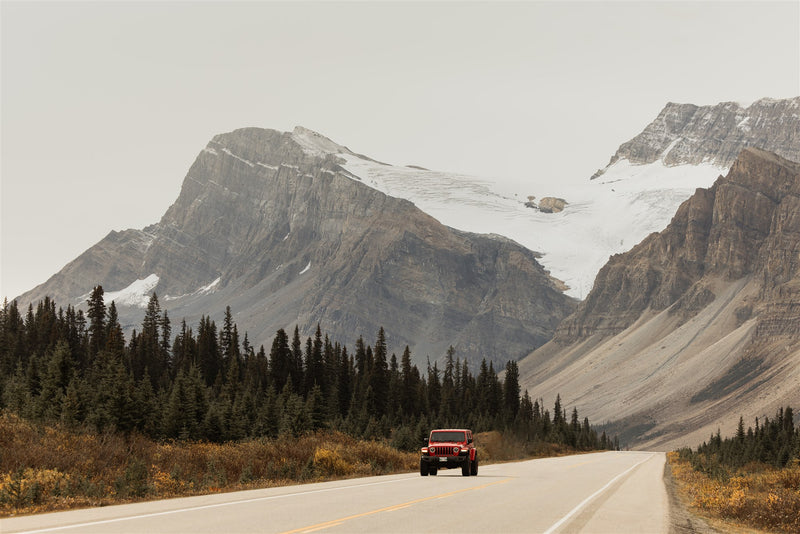

Wildfires & Off-Road Adventures
Wildfires are a growing reality in summer backcountry exploration. For off-roaders, rock crawlers, and overlanders, understanding wildfire risks and how to prepare, respond, and minimize impact is critical—not just for your safety, but for the preservation of the wild places we love to explore.
This comprehensive guide covers wildfire awareness, prevention, preparation, response, and recovery, helping you safely navigate fire season and protect the trails for future adventurers.
1. Why Wildfires Matter to Off-Roaders & Overlanders
The Evolving Wildfire Landscape
-
Fire seasons are longer and more intense in many regions, driven by climate change and land management factors.
-
Popular off-road areas increasingly overlap with fire-prone ecosystems—deserts, forests, grasslands.
-
Trails and dispersed campsites can be directly impacted by wildfire, restricting access and causing damage.
Risks on the Trail
-
Fires can spread rapidly, trapping vehicles and crews if you’re unprepared or unaware.
-
Smoke and ash reduce visibility and air quality, impairing safe navigation.
-
Trail closures, evacuations, and damage can disrupt trips and vehicle recovery.
-
Heat and dry conditions accelerate gear and vehicle wear, increasing mechanical failure risk.
Environmental Impact
-
Wildfires alter soil stability, increase erosion, and destroy habitats.
-
Responsible use and wildfire prevention are vital to preserve trail systems and ecosystems.
2. Research & Planning: Start With Fire Awareness
Check Current Wildfire Conditions
-
InciWeb (Incident Information System): Official federal wildfire updates nationwide.
-
National Interagency Fire Center (NIFC): Comprehensive wildfire activity and outlooks.
-
State and Provincial Fire Agencies: Local fire restrictions, bans, and alerts.
-
Fire Danger Rating Systems: Learn local fire danger codes (Low to Extreme).
-
Use smartphone apps like MyRadar, FireCast, or region-specific alert apps.
Understand Fire Restrictions
-
Research campfire bans, smoking restrictions, and trail closures before you go.
-
Obtain required fire permits or adjust plans if bans are in place.
-
Plan alternative routes and campsites in case your first choice is inaccessible.
3. Prevention: How Off-Roaders Can Avoid Starting Wildfires
Campfire Best Practices
-
Use portable camp stoves or grills instead of open fires when possible.
-
When fires are allowed:
-
Build fires only in established fire rings or pits.
-
Keep fires small, manageable, and fully contained.
-
Clear all flammable debris from the area around the fire.
-
Keep water and a shovel nearby to extinguish fires quickly.
-
Never leave a fire unattended, and fully douse and stir ashes before sleeping or leaving.
-
Vehicle Safety Measures
-
Avoid parking or idling over dry grass or brush—hot exhaust systems can ignite fires.
-
Maintain your rig to prevent fuel leaks and spark hazards.
-
Use spark arrestors on exhausts when required by jurisdiction.
-
Carry a fire extinguisher (rated ABC or BC), mounted within reach.
Smoking and Other Ignition Sources
-
Follow all fire season regulations prohibiting smoking or fireworks.
-
Dispose of cigarette butts safely in designated containers—not on the ground.
4. Cooking Safety During Wildfire Season
Cooking safely during wildfire season requires extra care to prevent accidental fire starts, especially in areas with active fire bans.
Use Propane or Gas-Powered Cooking Appliances
-
Propane stoves and grills are a safe, controlled alternative to open campfires and often allowed during fire bans—but always verify local regulations first.
-
These devices produce focused flames with minimal embers or sparks, reducing wildfire risk significantly.
-
Ensure propane tanks and hoses are in good condition and operated on stable, level surfaces away from flammable materials.
Consider Using Approved Portable Fire Pits Like Howl Campfires
-
The Howl Campfires fire pits are designed to contain flames safely and reduce fire spread risk.
-
Many regions consider these pits legal and safer options during fire bans, but it’s essential to confirm with local fire authorities before use.
-
Their design minimizes contact with ground vegetation, controls airflow, and prevents embers from escaping.
Best Practices for Cooking in Fire-Restricted Areas
-
Always keep a fire extinguisher or a bucket of water nearby when cooking outdoors.
-
Cook away from dry grass, leaves, or overhanging branches.
-
Never leave any cooking fire or device unattended.
-
Fully extinguish or turn off propane appliances before leaving camp or going to sleep.
-
Use established campsites or designated cooking areas whenever possible.
Know Your Local Laws and Regulations
-
Fire bans and restrictions vary widely by region and season—always check official local sources such as forest service websites, state or provincial fire agencies, or land management offices before your trip.
-
Complying with these rules is crucial to protect the environment, your safety, and avoid fines or penalties.
5. Preparing Your Rig & Gear for Fire Season
Essential Fire Safety Gear
-
Portable fire extinguisher, checked and ready.
-
Fire-resistant gloves and a sturdy shovel for fire control or digging firebreaks.
-
Emergency thermal blanket or fire shelter for extreme wildfire zones (advanced gear).
-
N95 or P100 respirator masks to filter smoke particles.
Rig Maintenance Tips
-
Clean engine bays and undercarriages of leaves, pine needles, and other dry debris.
-
Inspect cooling and brake systems to prevent overheating, which can ignite fires.
-
Organize tools and spares for quick access in case of fire-related repairs.
6. Wildfire Reporting & Emergency Contacts: How to Help
Why Reporting Matters
Early detection and reporting of wildfires help firefighters contain fires before they spread, saving lives, property, and wildlands.
National Wildfire Reporting Hotlines
| Country | Emergency Number | Non-Emergency Wildfire Reporting Number |
|---|---|---|
| United States | 911 | 1-800-448-5500 (US Forest Service - Federal lands) |
| Canada (British Columbia) | 911 | 1-800-663-5555 |
| Canada (Alberta) | 911 | 1-800-387-6030 |
| Canada (Ontario) | 911 | 1-866-310-3473 |
| Canada (Quebec) | 911 | 1-800-463-2191 |
Call 911 immediately if you witness a wildfire threatening lives or property. For non-emergencies—such as spotting small smoke plumes—use the non-emergency numbers above.
How to Report Effectively
Provide clear, accurate info:
-
Location: GPS coordinates (using your GPS device or smartphone), landmarks, or nearby roads/trails
-
Fire Details: Size of fire, smoke color and density, flame height, wind direction, and rate of spread if possible
-
Threats: Whether people, animals, or structures are in immediate danger
-
Your Contact Info: Name and phone number in case responders need more details
Additional Reporting Tips
-
Report early—small fires can escalate quickly.
-
Avoid false alarms—confirm smoke is from a wildfire, not dust or campfires.
-
Use apps or radios to stay updated on fire conditions and official advisories.
7. What To Do If You Encounter a Wildfire
Immediate Safety Steps
-
Stay calm; assess fire location and wind direction.
-
Evacuate via the safest route—preferably downhill and away from fire and smoke.
-
Avoid driving through thick smoke—visibility and air quality decline rapidly.
-
Keep windows up and air circulation off to reduce smoke inhalation.
-
Use headlights and hazard lights for visibility.
Communication During an Emergency
-
Use satellite communicators (e.g., Garmin inReach), smartphones with satellite SOS, or two-way radios to notify authorities and your group.
-
Follow official evacuation orders immediately.
If Trapped by Fire
-
Seek bare ground or cleared areas with minimal vegetation.
-
Keep your vehicle running with lights on to improve visibility.
-
Use fire extinguisher if small flames threaten your rig.
-
Cover exposed skin, stay low, and protect your airways with a damp cloth or mask.
8. After the Fire: Respecting Recovery & Minimizing Impact
-
Avoid using closed or fragile trails and campsites to allow ecosystem recovery.
-
Steer clear of burned soils prone to erosion.
-
Pack out all trash and gear to reduce further environmental stress.
-
Support local reforestation and restoration efforts if possible.
9. Planning Your Trips Around Wildfire Season
-
Consider travel timing to avoid peak fire periods. Early spring or late fall can offer safer conditions.
-
Research and choose lower-risk areas or destinations with good infrastructure and emergency access.
-
Always have alternative routes and campsites ready.
-
Travel with companions when possible to improve safety and response capability.
-
Share detailed trip plans, including routes and check-in schedules, with a trusted contact who is not on the trip.
10. Additional Summer Wildfire Safety & Preparedness Tips
-
Carry N95 masks or similar respirators to protect lungs from smoke.
-
Wear UV-protective clothing and sturdy boots to reduce heat stress and injury.
-
Pack a comprehensive first-aid kit including burn treatment supplies.
-
Use weather radios or apps for continuous wildfire updates.
-
Practice Leave No Trace ethics rigorously to prevent accidental ignition.
11. Communication Recommendations for Fire Season
-
Carry a satellite communicator such as a Garmin inReach for reliable, off-grid SOS and messaging capabilities.
-
Newer smartphones (e.g., recent iPhone models) include satellite SOS features—great backup options but ensure you bring extra charging cables and power banks.
-
Use two-way radios or CB radios for local crew communication.
-
Always inform someone of your route and expected return/check-in times, especially if traveling solo.
-
When possible, travel with a group to improve safety and assist each other in emergencies.
Printable Resources
Wildfire Safety Checklist
Emergency Wildfire Action Plan
If You Spot a Wildfire
-
Stay calm and assess the situation.
-
Call the wildfire reporting hotline or 911 immediately (see Quick Reference).
-
Provide location details (GPS coordinates or landmarks).
-
Describe fire size, smoke, wind, and threats.
-
Inform your group and prepare for possible evacuation.
If You Are Near or Trapped by Fire
-
Evacuate immediately if safe—travel downhill and away from smoke.
-
Keep windows up and AC off to avoid smoke inhalation.
-
Use headlights and hazard lights for visibility.
-
If trapped, park in cleared area with minimal vegetation.
-
Keep vehicle running, lights on, and ready fire extinguisher at hand.
-
Cover skin and respiratory pathways with damp cloth or mask.
-
Wait for rescue or until safe to leave.
Wildfire Reporting Quick Reference Card
| Country | Emergency Number | Non-Emergency Wildfire Reporting |
|---|---|---|
| United States | 911 | 1-800-448-5500 (US Forest Service) |
| Canada (British Columbia) | 911 | 1-800-663-5555 |
| Canada (Alberta) | 911 | 1-800-387-6030 |
| Canada (Ontario) | 911 | 1-866-310-3473 |
| Canada (Quebec) | 911 | 1-800-463-2191 |
Reporting Tips:
-
Provide exact location (GPS coordinates if possible)
-
Describe fire size, smoke color, and direction
-
Mention any immediate dangers to life or property
-
Stay on the line for questions if safe
Wildfire Emergency Kit Essentials
-
Fire extinguisher (rated ABC or BC)
-
Fire-resistant gloves and sturdy shovel
-
N95 or P100 respirator masks
-
First-aid kit with burn treatment supplies
-
Thermal or emergency blanket
-
Plenty of water and electrolyte packets
-
Communication devices (satellite messenger, radio, spare charging cables)
-
Flashlight or headlamp with extra batteries
-
Lightweight fire shelter or heavy-duty tarp (optional)